
Burglin Gnomes All Task Guide: Daily Routes, Objectives, and Extraction
A field-tested all task guide for Burglin Gnomes covering five-task rolls, three-task clears, entry routes, Break TV, cabinet, garden, toilet, combat, and extraction routing.
By: Frontline Pathfinder | Lead Content Tester, GameguideHub
Tested on Version: Current public build | Status: FIELD TESTED / PATCH SENSITIVE. Task names, difficulty rolls, and exact object interactions can change after updates.
Fast answer: every clean day starts by reading the High-Gnome task list, choosing the safest three objectives, then extracting. Do not full-clear the Human House before the third task is done. Small tasks, window entry, cabinets, Break TV, toilet routes, and garden overlap are usually safer than deep combat or heavy hauling.
Daily Task Rules
| Rule | Field-Tested Value | Route Impact |
|---|---|---|
| Daily roll | 5 tasks | Read all five before touching loot. |
| Clear requirement | 3 completed tasks | After the third task, extraction becomes the default call. |
| Failure condition | Timer expires below the task minimum | Greedy looting can wipe progress even if the backpack is full. |
| Best early route | Entry, container, break, movement, and small-object tasks | These finish fast and avoid long combat exposure. |
Entry Tasks: Windows, Doors, and Safe First Rooms
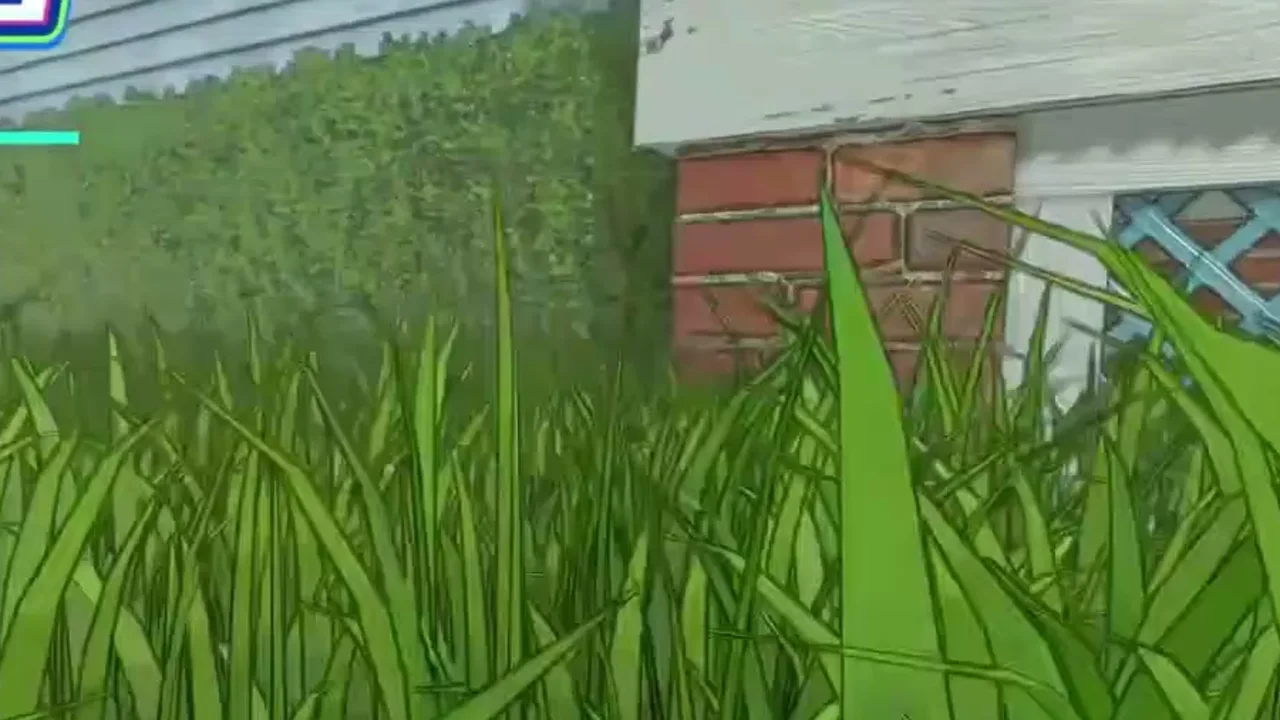
Start with entry verbs. If the task list mentions windows, doors, cabinets, or first-room objects, do not sprint deep into the house. Use the outside approach to identify a forgiving entry point, then send one light player in first while the rest hold route safety.
- Window entry: use outdoor routes and vine/window angles when the house layout allows it.
- Door/bolt interactions: treat them as setup tasks. Open the route, then decide whether the same room supports another objective.
- First-room rule: complete nearby container or break tasks before hauling anything heavy.
Task Type Table
| Task Type | Best First Area | Clean Method | Risk |
|---|---|---|---|
| Break TV / break object | Bedroom and Living Room | Throw sturdy objects or use safe impact tools | Noise and route exposure |
| Open Cabinet / drawer search | Cabinets and Drawers, Kitchen | Open only task-value storage first | Rats, wasted search time |
| Steal item / category loot | Room named by the task | Carry small target items before heavy valuables | Slow extraction if over-carried |
| Garden / plant / bee routes | Greenhouse Garden | Bring the exact tool, avoid long lawn movement | Bee, Cat, outdoor exposure |
| Toilet / bathroom route | Bathroom | Do the toilet verb, then leave unless storage also matters | Human pathing and tight exits |
| Weapon safe / firearms | Weapon Safe | Open only when tasked or when combat is already planned | Time loss before third task |
| Combat task | Target-specific room or exterior route | Use control first, then burst damage | Deaths, karma pressure, failed extraction |
Break TV and Object Damage Tasks
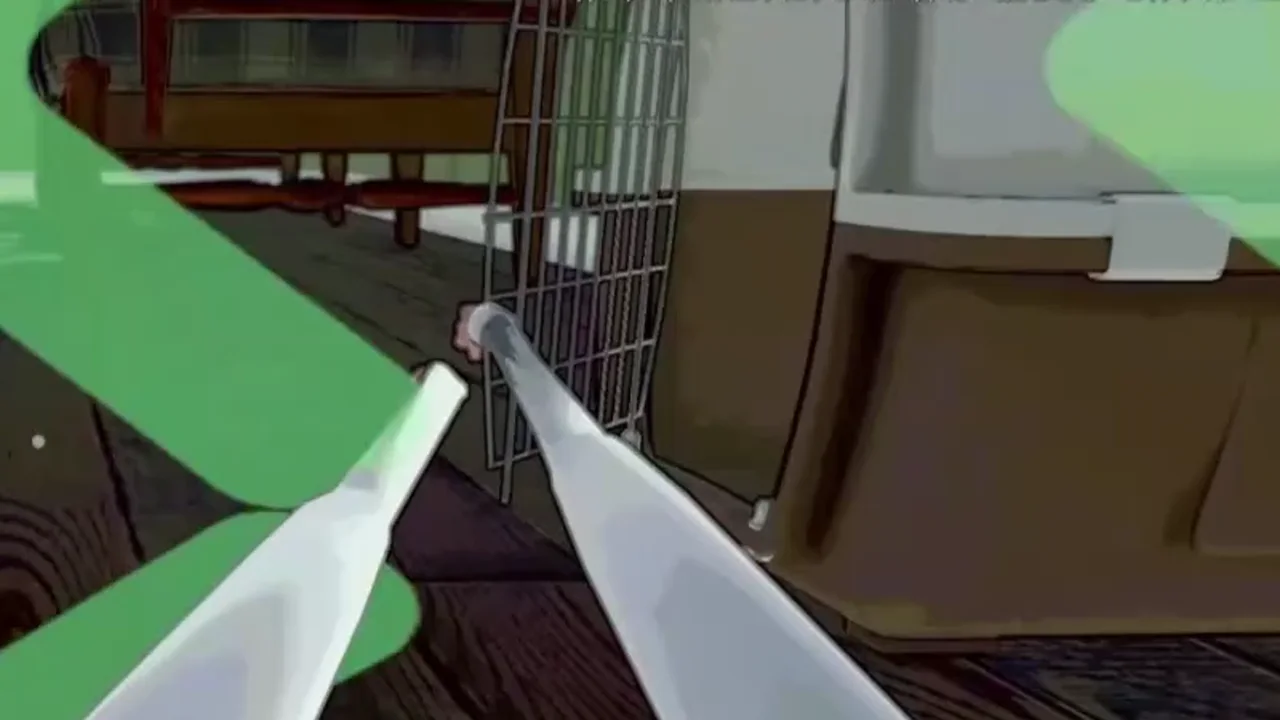
Break tasks are usually worth doing early if the target is nearby. For TV-style objectives, pick up a sturdy object and throw from a safe angle. If the object does not break after the first hit, stop trading time unless the room is already under control.
- Good overlap: Break TV plus steal valuable objects in the same living-room route.
- Bad overlap: Break object while the Human patrol is already on top of the team.
- Tool check: heavy improvised objects beat fragile clutter for break tasks.
Cabinet, Kitchen, and Small-Item Tasks
Kitchen and Cabinets and Drawers are high-value because they stack several task families: open container, utensils, small loot, cigarettes, food, weapons, and occasional pest interactions. Search like a route tester, not a loot addict: open the task-value storage first, call what you found, then move.
- Utensil route: Knife, Fork, and Spoon are task-relevant only when the verb asks for them.
- Small-object route: carry compact task objects before large valuables.
- Pest check: if a Rat or Cockroach appears, finish the objective and leave unless the task names the pest.
Combat, Rescue, and Hazard Tasks
Combat tasks should not be your first choice unless the list forces them. Bring control before damage: Sleep Dart, Blowgun, Marble Gun, or a human weapon if the house already gave you one. If a teammate is trapped in oven, toilet, or other hazard routes, rescue beats extra loot every time.
- Human kill routes: use firearms or burst tools; do not melee-trade near disposal hazards.
- Bee tasks: route garden/eaves only when the list requires it, then exit the lawn quickly.
- Toilet tasks: complete the bathroom verb, then reassess. Bathrooms are tight and bad for long fights.
Pathfinder's Three-Task Routing Order
- Call the five tasks out loud. One player owns the list; everyone else routes by that call.
- Pick the safest three. Entry, cabinet, break, and small-object tasks beat deep combat on most days.
- Cluster by room. Kitchen, living room, bathroom, garden, and garage each have different task density.
- Extract after three unless the fourth is free. A nearby fourth task is fine. A deep-room fourth task is how clean days die.
Related Guides and Data Pages
- Complete Beginner Survival Guide - first route, task minimum, revive, and extraction basics.
- Human House Route Notes - room pressure, objectives, and extraction planning.
- Kitchen - utensils, storage, break objects, rats, and small-task overlap.
- Greenhouse Garden - plant, watering, cutting, Bee, and outdoor task routes.
- Monster Guide - combat and hazard routes when tasks force a fight.
- Gear and Weapons Directory - tools, control items, and explosive options for hard objectives.