
Burglin' Gnomes Co-op Guide: Multiplayer, Friends, and Team Play
A route-tested Burglin' Gnomes co-op guide for multiplayer teams, friend lobbies, role splits, shared objectives, rescue calls, and clean three-task clears.
By: Frontline Pathfinder | Lead Content Tester, GameguideHub
Tested on Version: Current public build | Status: FIELD TESTED / PATCH SENSITIVE. Lobby behavior, revive reliability, and co-op desync can change after multiplayer patches.
Fast answer: treat co-op as a routing system, not just extra bodies. One player owns the task list, one keeps the return route open, and the rest carry only what helps the three-task clear. The biggest multiplayer mistake is splitting before the team has called the five daily tasks, picked the safest three, and agreed on the extraction trigger.
Does Burglin' Gnomes have multiplayer?
Yes. Burglin' Gnomes supports co-op runs where players share the daily pressure of scouting rooms, finishing tasks, carrying loot, rescuing teammates, and extracting before the day fails. Extra players make the route stronger only when the team avoids duplicate jobs.
| Co-op Rule | Best Practice | Failure Pattern |
|---|---|---|
| Task owner | One player reads the five tasks and calls the safest three. | Everyone chases a different room. |
| Route captain | One player decides when the team pivots from scouting to execution. | The team keeps looting after the run is already won. |
| Carrier split | One carrier handles heavy task objects while another keeps hands free. | Two slow players carry duplicate junk. |
| Rescue call | Stabilize danger before reviving or recovering a teammate. | One death becomes a chain wipe. |
How co-op works
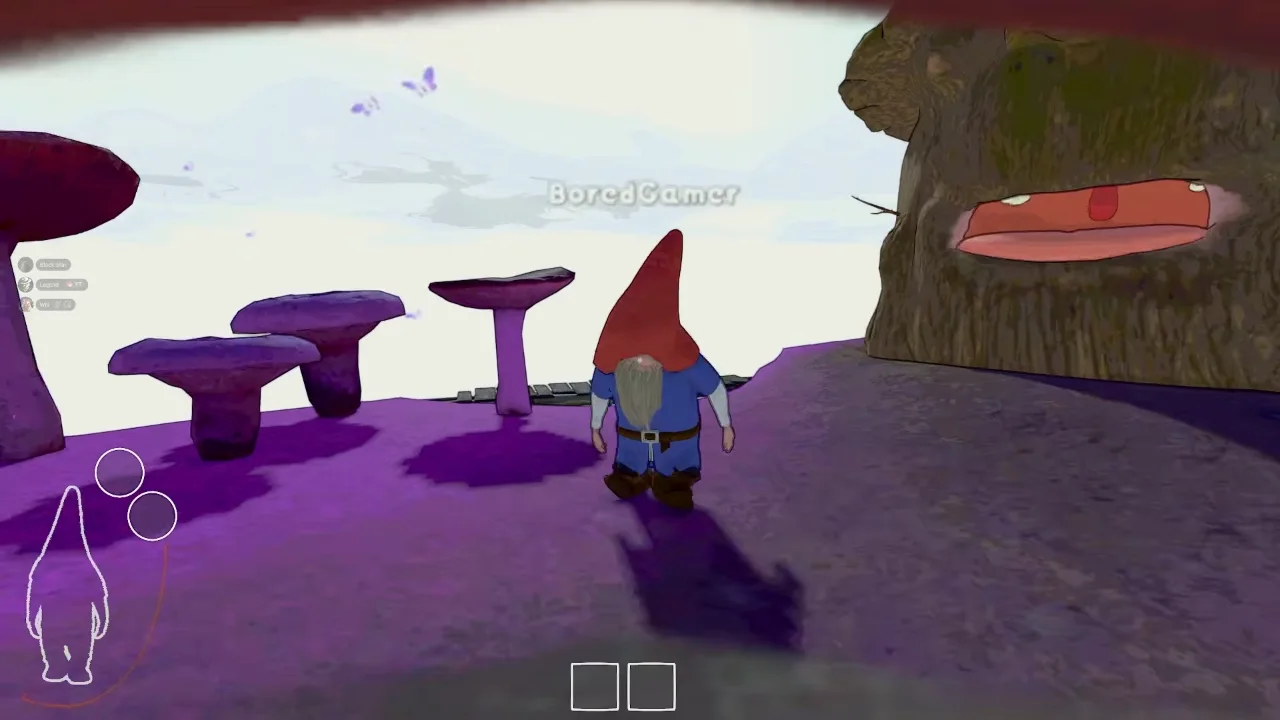
A clean co-op run starts with shared intent. Before anyone grabs loot, nominate a route captain who reads the five daily tasks, calls the safest three, and decides when the group stops scouting. Everyone else should repeat the current objective in short calls so the run does not split into four unrelated plans.
Use the All Task Guide as the route baseline. It keeps the team focused on the three-task minimum before optional loot, combat, or NPC reward routes.
Team size and roles
Build roles around risk. Smaller teams can merge jobs, but the route captain should still exist so extraction calls stay clear.
| Team Size | Recommended Split | Route Note |
|---|---|---|
| 2 players | Caller plus carrier | One reads tasks and watches danger; one handles objective objects. |
| 3 players | Caller, carrier, safety | Add a player who watches enemies, exits, and rescue paths. |
| 4 players | Caller, carrier, safety, flex | The fourth player swaps between rescue, loot, and secondary tasks. |
Best co-op tips
Communication basics
Use short calls: task, room, timer, danger, extract. Long explanations waste seconds during a live Human World route. A good call sounds like: "Two tasks done, cabinet next, do not loot bedroom, extract after bell." That gives every player a job and stops the common co-op failure where half the team keeps looting after the run is already safe.
- Task call: name the next objective, not the whole plan.
- Room call: use stable room names such as Kitchen, Bathroom, or Garden.
- Danger call: say the threat and the exit, not a long story.
- Extract call: after the third task, extraction becomes the default unless the fourth task is free.
Sharing resources and objectives
Do not let every player craft the same early utility. Share materials toward items that protect the whole route first: carrying capacity, control tools, and safe traversal. If one player already has the key tool for the current room, the next resource spend should cover a different failure case.
| Resource Choice | Team Value | When to Prioritize |
|---|---|---|
| Backpack | More safe carrying capacity | Early task-object and loot routes. |
| Blowgun plus control darts | Safer rescues and threat control | When enemies block tasks. |
| Grappling Hook | Fast vertical rescue or scout movement | When the route uses high furniture or awkward exits. |
| Glider | Safer falls and room crossing | When movement is the main failure point. |
Do not split too early
Parallel work becomes strong only after the route is known. Splitting before the task cluster is chosen creates duplicate carrying, missed rescue calls, and players stuck deep in rooms with no extraction path. The first minute should be shared planning; the middle of the run can split; the final phase should regroup.
Co-op route order
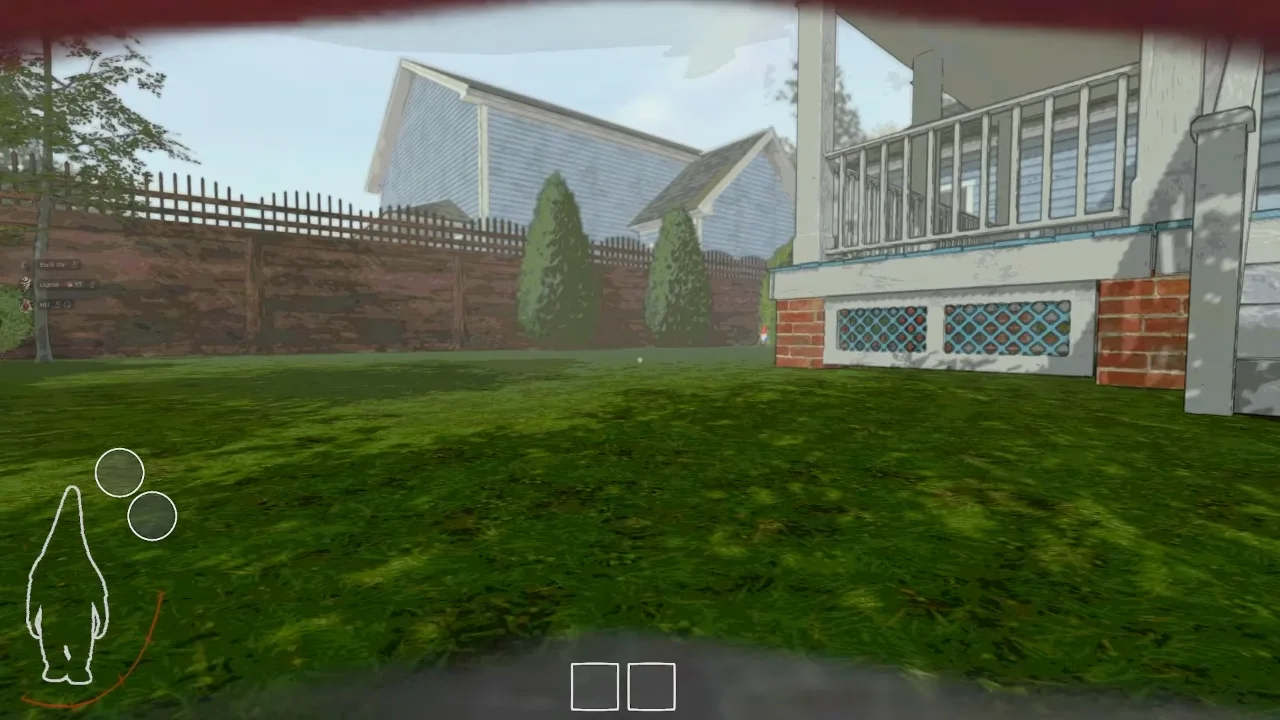
- Read all five tasks. The route captain calls the safest three.
- Assign roles. Caller, carrier, safety, flex. Do not add a second greedy carrier before adding safety.
- Cluster rooms. Prefer tasks that share Kitchen, cabinet, bathroom, or garden movement.
- Regroup after task two. Recheck timer, loot weight, and rescue risk before the third objective.
- Extract after task three. A free fourth task is fine. A deep fourth task is how clean co-op days die.
FAQ
Does Burglin' Gnomes have multiplayer?
Yes. Multiplayer is strongest when the team assigns roles, shares task calls, and avoids duplicate carrying.
How do you play co-op in Burglin' Gnomes?
Invite teammates, assign a route captain, choose the safest three tasks, split roles by risk, and extract when the minimum clear is secured.
Related Guides and Data Pages
- Complete Beginner Survival Guide - first route, save rules, and co-op basics.
- All Task Guide - daily objective routing and extraction discipline.
- Death and Revive Guide - rescue calls when co-op routes go bad.
- Gear and Weapons Directory - team utility, control tools, and traversal picks.