
Burglin' Gnomes Death and Revive Guide: How Rescue and Recovery Work
A practical Burglin' Gnomes death and revive guide for rescue calls, recovery windows, chain-death prevention, task progress, and when to extract instead.
By: Frontline Pathfinder | Lead Content Tester, GameguideHub
Tested on Version: Current public build | Status: FIELD TESTED / PATCH SENSITIVE. Revive charges, recovery timing, ragdoll bugs, and multiplayer stability can shift after patches.
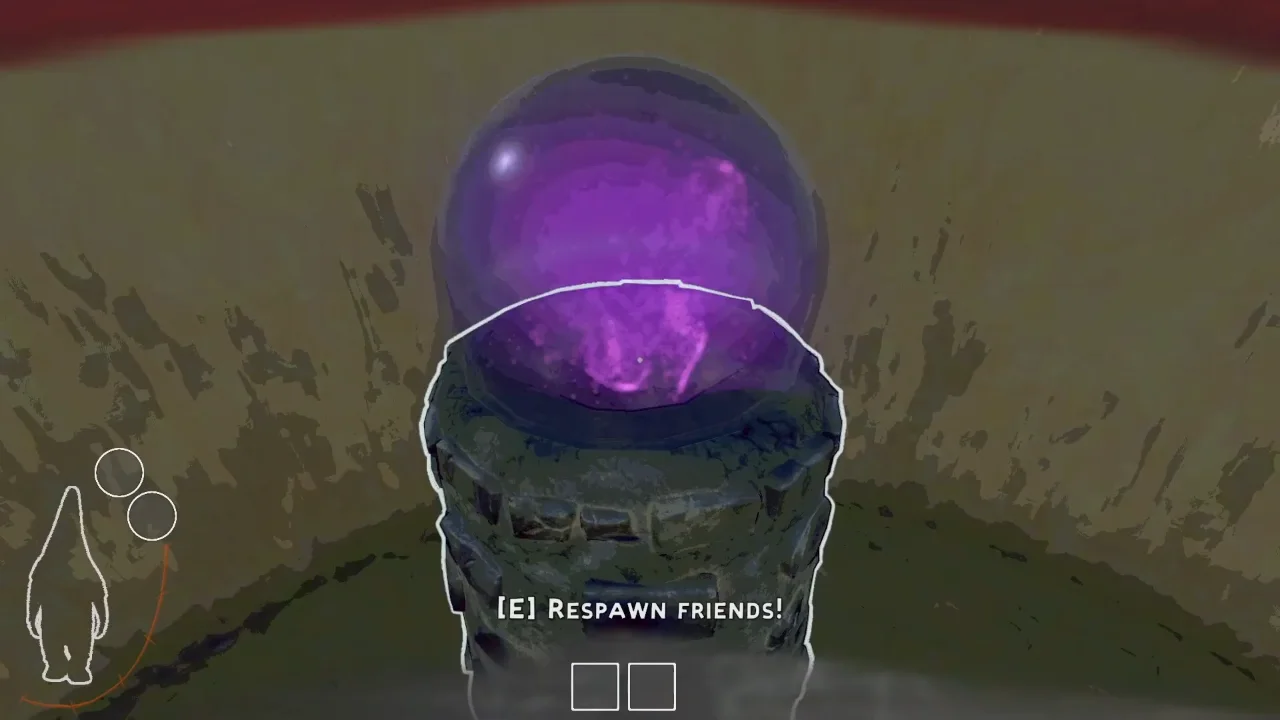
Fast answer: a downed teammate is a route decision. Rescue them if the path is stable and the team still has time for the three-task minimum. Abandon the rescue if the attempt would turn one loss into a full wipe.
What happens when you die in Burglin' Gnomes
Death costs more than the item on the floor. It costs timer control, task momentum, and at least one teammate's attention. If the team has not reached the three-task minimum, every rescue attempt should be judged against one question: does this save help finish the day, or does it delay the clear?
| Death Cost | Why It Matters | Route Call |
|---|---|---|
| Timer loss | Rescue movement consumes the same time needed for tasks. | Rescue only if the route remains stable. |
| Task momentum | The team often stops objective progress to recover one player. | Keep one player on task progress when possible. |
| Loot control | Dropped items can bait the team into bad rooms. | Recover critical gear first; leave junk. |
| Attention drain | Enemies and hazards punish tunnel vision. | Clear danger before revive movement. |
What progress is at risk
The run is at risk when a body falls in a room with active enemies, tight exits, or a long return route. Abandoned loot is sometimes the correct call. A clean three-task clear with one lost object beats a rescue attempt that fails the whole day.
For task timing, pair this page with the All Task Guide. If the rescue blocks the third task, downgrade the rescue plan.
When a teammate can still recover the run
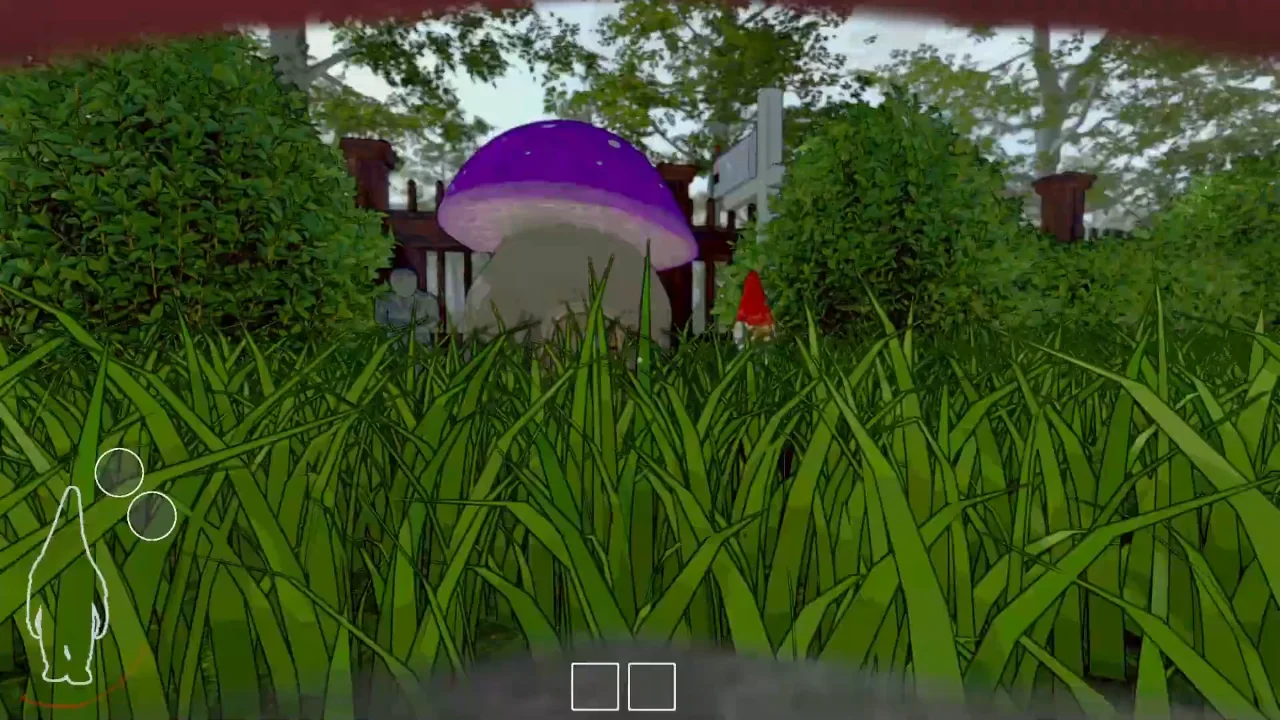
A teammate can recover the run when the rescue window is stable: the nearest threat is controlled, the timer still supports the route, and at least one player can continue task progress while recovery happens. If all three are false, the rescue is probably a wipe trap.
How to rescue teammates safely
When to disengage first
Disengage before rescuing when the room is still changing. Moving enemies, human patrol pressure, blocked exits, or active hazards mean the rescue path is not real yet. Back out, reset line of sight, and only return if the team can re-enter with control.
| Situation | Call | Why |
|---|---|---|
| Body near controlled doorway | Rescue | Exit path is visible and short. |
| Body in active enemy room | Stabilize first | Rushing creates a second downed player. |
| Body beside task-critical item | Recover gear, then reassess | Task progress may matter more than full loot recovery. |
| Two failed rescue movements | Extract or finish tasks | The room is proving unstable. |
How to avoid chain deaths
Avoid chain deaths by refusing single-file panic. One player approaches, one watches the exit, and one continues the objective or prepares extraction. If the first rescue movement fails, the team should downgrade the plan instead of sending the next player into the same angle.
- First call: "stabilize." Clear the immediate threat or reset the room.
- Second call: "rescue" or "extract." The route captain makes the final call.
- Hard stop: after two failed rescue movements, stop feeding the room unless the remaining task is impossible without the downed player.
Tools that make rescue safer
Recovery is easier when the team has control and movement tools before the mistake happens. Do not wait for a death to decide who carries rescue utility.
| Tool or Page | Use | Best Timing |
|---|---|---|
| Sleep Dart | Stop a threat long enough to reach a body. | Before entering enemy-heavy rooms. |
| Blowgun | Deliver control from safer distance. | When melee trades are too risky. |
| Helmet | Reduce head-hit and movement mistake risk. | Before jump or high-room routes. |
| Monster Guide | Pick the right counter before a rescue route. | When enemies block the body. |
When to extract instead of revive
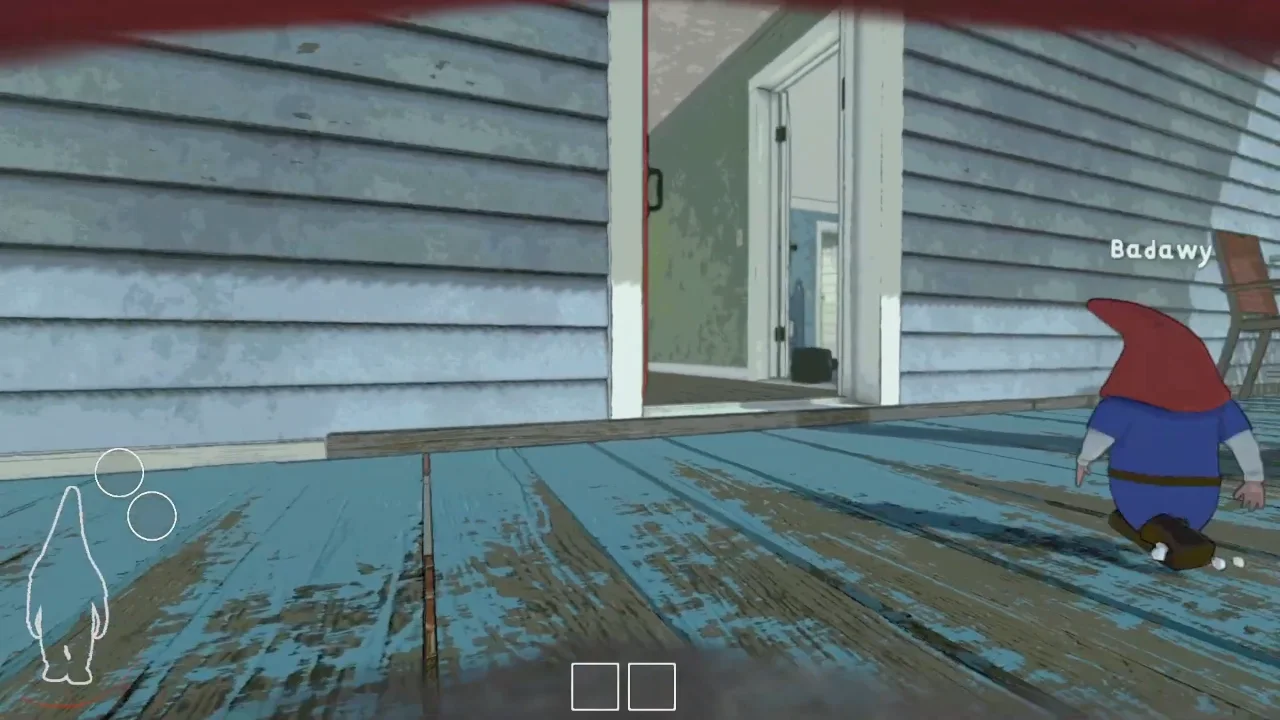
Extract when the team has already met the three-task minimum, the body is deep in a bad room, or the rescue would cost the remaining timer. This is not abandoning the run; it is protecting the progress that is still bankable.
- If three tasks are done: extraction is the default call.
- If two tasks are done: rescue only if it helps finish the third task.
- If one or zero tasks are done: stabilize first, then decide whether the day is still recoverable.
- If everyone is split: regroup before sending anyone to the body.
FAQ
What happens when you die in Burglin' Gnomes?
Death puts loot, task progress, timer control, and team tempo at risk. Recovery depends on whether teammates can stabilize the room without creating another death.
How do you revive or rescue teammates in Burglin' Gnomes?
Clear immediate danger first, keep one player watching the exit, then attempt the rescue from a stable position. If the room remains unstable, finish tasks or extract instead.
Related Guides and Data Pages
- Co-op Guide - team roles and communication before a rescue goes bad.
- Complete Beginner Survival Guide - revive rules and first-day survival basics.
- All Task Guide - when task progress matters more than loot recovery.
- Monster Guide - counters for enemies that block recovery.